How Invisalign Aligners Influence Temporomandibular Joint Function and Jaw Comfort
Understanding the Connection Between Orthodontic Treatment and TMJ Health
The temporomandibular joint represents one of the most complex articulations in the human body, serving as the crucial hinge that connects the jawbone to the skull. When individuals embark upon orthodontic treatment with clear aligners, they often wonder about the potential effects on this intricate joint system. The relationship between aligner therapy and jaw function has become an increasingly relevant topic as more people seek discreet orthodontic solutions for achieving their ideal smile.
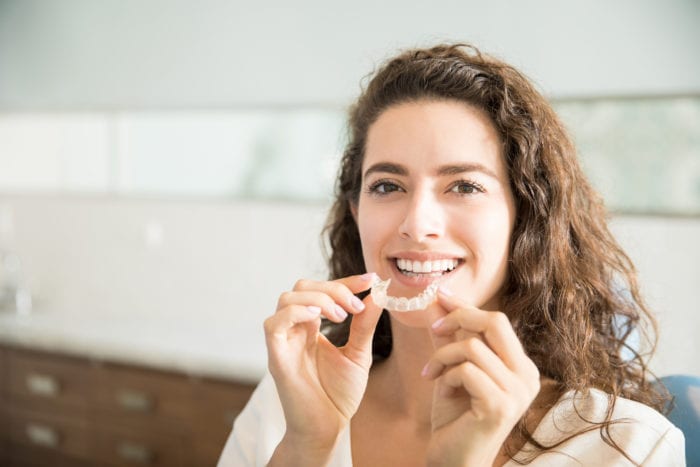
Invisalign in Plymouth works by applying controlled forces to teeth, gradually shifting them into optimal positions over time. These forces, whilst carefully calculated and distributed, inevitably influence the entire orofacial complex, including the temporomandibular joint and surrounding musculature. Understanding how these influences manifest can help patients make informed decisions about their orthodontic journey and manage their expectations regarding jaw comfort throughout treatment.
The Biomechanics of Aligner Therapy on Jaw Function
When aligners are fitted to the dental arches, they create a subtle but measurable change in the vertical dimension of occlusion—essentially, the distance between the upper and lower jaws when the teeth come together. This alteration, though typically measured in mere millimetres, can have notable effects on how the temporomandibular joint functions during daily activities such as speaking, chewing, and swallowing.
The forces exerted by aligners work in three-dimensional space, encouraging teeth to move not only horizontally but also vertically and rotationally. These movements can subtly alter bite relationships, which in turn affects the position of the mandible within the glenoid fossa. For individuals considering Invisalign in Plymouth, understanding these biomechanical principles can provide valuable insight into what to expect during treatment.
Muscle Adaptation and Proprioceptive Changes
The muscles of mastication—including the masseter, temporalis, and pterygoid muscles—must continuously adapt to the changing positions of teeth throughout aligner therapy. This adaptation process involves complex neuromuscular feedback mechanisms that help the jaw adjust to new bite patterns. Research has shown that orthodontic treatment can influence masticatory muscle activity and temporomandibular joint loading patterns, highlighting the interconnected nature of dental alignment and jaw function.
Potential Effects on Jaw Comfort During Treatment
Patients undergoing clear aligner therapy may experience varying degrees of jaw discomfort as their bite relationships evolve. This discomfort typically manifests as a dull ache in the joint area, occasional clicking or popping sensations, or mild muscle tension in the cheeks and temples. Such symptoms often arise during the initial adjustment period when new aligners are fitted, as the teeth begin their incremental movements and the jaw adapts to altered contact points.
The good news is that most individuals find these sensations temporary and manageable. The body possesses remarkable adaptive capabilities, and the neuromuscular system generally acclimates to gradual changes in dental positioning. However, for those with pre-existing temporomandibular joint concerns, it becomes particularly important to monitor symptoms closely. Some evidence suggests that aligner treatment may occasionally exacerbate existing TMJ symptoms, making thorough pre-treatment assessment essential.
Managing Discomfort and Supporting Joint Health
Fortunately, several strategies can help optimise jaw comfort throughout the aligner journey. Gentle jaw exercises, warm compresses applied to the joint area, and mindful attention to dietary choices can all contribute to improved comfort levels. Patients are often advised to favour softer foods during the first few days after switching to new aligners, allowing the teeth and supporting structures time to adjust to the applied forces.
Additionally, maintaining proper aligner wear schedules and avoiding habits such as clenching or grinding can significantly reduce strain on the temporomandibular joint. For those experiencing persistent discomfort, various remedies for TMJ pain during aligner treatment may provide relief and support continued progress towards orthodontic goals.
Achieving Optimal Outcomes Through Comprehensive Care
The relationship between clear aligner therapy and temporomandibular joint function represents a nuanced interplay of biomechanical forces, neuromuscular adaptation, and individual anatomical variations. Whilst most patients navigate their treatment journey with minimal jaw-related concerns, awareness of potential effects empowers individuals to take proactive steps in supporting their comfort and joint health. Through careful monitoring, appropriate management strategies, and open communication with dental professionals, patients can work towards achieving both aesthetic improvements and functional harmony within the orofacial complex.